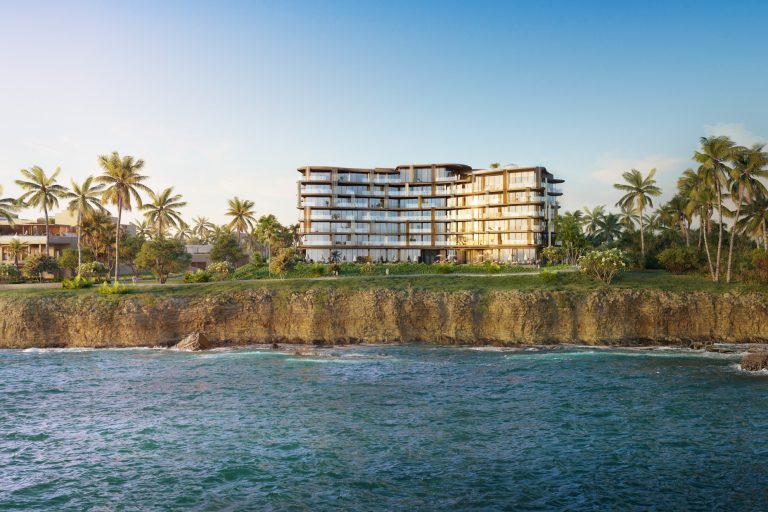
For buyers accustomed to the Four Seasons in Maui, Aman in Tokyo, or Bulgari in Dubai, the appeal is immediate. You’re not just buying a property. You’re buying into a sophisticated hospitality framework: professional management, predictable service standards, and a brand that carries weight in resale markets worldwide.
The Ritz-Carlton has been operating in Grand Cayman since 2005, establishing the template. The Mandarin Oriental is scheduled to open in 2028, bringing a new level of ultra-luxury to Beach Bay. The Grand Hyatt is entering the market with a focus on accessible luxury and strong rental programmes.
These aren’t just hotels with attached condominiums. They’re purpose-built residential products backed by hospitality brands that understand what affluent buyers expect.
What branded residences mean in the Cayman market
A branded residence is a privately owned property that sits within a larger development managed by a recognised hospitality brand. You hold title to the unit, but the brand operates the building, provides services, and often manages a rental programme if you choose to participate.
In Cayman, branded residences typically include access to hotel amenities: pools, fitness centres, spas, restaurants, concierge services, and beach facilities. Some developments offer room service, housekeeping, and in-residence dining. The level of service varies by brand and development, but the principle is consistent: you get hotel-quality service in a privately owned home.
The model appeals to a specific type of buyer. These are individuals who value convenience, consistency, and the ability to lock up and leave without worrying about property management. They’re often splitting time between multiple residences, and they want each one to function seamlessly.
Cayman’s branded residence market has grown steadily over the past two decades. The Ritz-Carlton Residences established the category and proved there was demand. Other brands have followed, recognising that Cayman offers the right combination of location, infrastructure, and buyer profile to support luxury branded developments.
Why luxury buyers value hospitality-backed ownership
Affluent buyers have options. They can purchase a standalone villa, a non-branded condominium, or a branded residence. Each has advantages, but branded residences solve specific problems that matter to this demographic.
Consistency is the first. When you own a Ritz-Carlton residence in Grand Cayman, you know what to expect because you’ve stayed at Ritz-Carlton properties elsewhere. The service standards, the amenities, the level of finish, it’s of a familiar standard. That predictability reduces risk and simplifies decision-making.
Management is the second. Many luxury buyers don’t want to deal with property management, maintenance, or tenant issues. Branded residences handle all of that. The brand manages the building, coordinates repairs, and oversees rental programmes if you opt in. You’re a homeowner, but you’re not managing a property.
Rental income is the third. Most branded residences in Cayman offer optional rental programmes where the brand markets your unit, manages bookings, and handles guest services. You receive a share of the rental income, and the brand takes a management fee.
Resale value is the fourth. Branded residences tend to hold value well because the brand provides a level of assurance to future buyers. A Mandarin Oriental residence will always be a Mandarin Oriental residence, and that brand equity supports pricing even in softer markets.
Lifestyle and status matter too, though buyers rarely state it explicitly. Owning a residence in a globally recognised development carries social currency. It’s a signal of taste, success, and access.
The appeal of Mandarin Oriental, Ritz-Carlton and Grand Hyatt
Each brand brings a different positioning, and understanding those differences helps you evaluate which development aligns with your priorities.
The Ritz-Carlton Residences are an established player. The property opened in 2005 and has built a strong reputation for service, location, and amenities. It sits at the heart of Seven Mile Beach, offering direct beach access, multiple pools, a spa, fitness facilities, and several restaurants.
The residences range from one-bedroom units to multi-bedroom penthouses, with prices starting around CI$2 million and rising well above CI$10 million for larger beachfront units. The rental programme is well-established, and occupancy rates have historically been strong.
The Ritz-Carlton appeals to buyers who want a proven product with nearly two decades of operational history. You know what you’re getting, and the brand has demonstrated its ability to maintain standards over time.
The Mandarin Oriental Residences represent the next evolution. The development is scheduled to open in 2028 and will occupy a prime waterfront site in Beach Bay. The Mandarin Oriental is positioning this as an ultra-luxury product, with larger units, higher-end finishes, and a focus on privacy and exclusivity.
Pricing is expected to start around CI$3 million and rise significantly for penthouses and beachfront villas. The development will include a hotel component, but the residences are designed to feel separate and residential rather than hotel-adjacent.
The Mandarin Oriental appeals to buyers seeking the newest, most exclusive product in the market. It’s a bet on brand prestige, future appreciation, and the appeal of being part of a landmark development.
The Grand Hyatt Residences will target a slightly different buyer. The brand is known for accessible luxury, high-quality service and amenities at a more approachable price point. The Grand Cayman property offers residences with access to hotel facilities, a rental programme, and a location that balances convenience with value.
Pricing for Grand Hyatt residences typically starts lower than Ritz-Carlton or Mandarin Oriental, making them accessible to buyers who want branded residence benefits without the highest-tier price tag.
The Grand Hyatt appeals to buyers who prioritise value, rental income potential, and a brand that delivers consistent quality.
How branded residences compare with traditional luxury property
Branded residences aren’t the only option for luxury buyers in Cayman, and they’re not always the best option. Understanding the trade-offs helps you make a more informed decision.
Standalone luxury homes offer more space, privacy, and customisation. You’re not sharing amenities, you’re not subject to strata rules, and you have complete control over the property. But you’re also responsible for all maintenance, management, and rental coordination if you choose to rent.
Standalone homes appeal to buyers who want a true private residence, plan to spend significant time in Cayman, and are comfortable managing property themselves or hiring a local property manager.
Non-branded luxury condominiums offer a middle ground. You get shared amenities, professional management, and a lock-and-leave lifestyle, but without the brand premium. Prices are typically 20% to 40% lower than comparable branded residences, and you’re not paying ongoing brand fees.
Non-branded condominiums appeal to buyers who want convenience and amenities but don’t need the brand name or the rental programme that comes with it.
Branded residences offer the highest level of service, the strongest rental programmes, and the most recognisable brand equity. But you pay for it both in purchase price and in ongoing fees. Strata fees in branded residences are typically higher than non-branded developments, reflecting the cost of maintaining hotel-level service and amenities.
The right choice depends on how you plan to use the property, how much time you’ll spend there, and whether rental income is a priority.
Service standards and amenity expectations
Service standards in branded residences are higher than traditional condominiums, but they’re not unlimited. You’re not living in a hotel. You’re living in a residence that has access to hotel services.
Most branded residences include concierge services, housekeeping on request, maintenance coordination, and access to on-site amenities. Some offer in-residence dining, grocery stocking, and personal services like spa treatments or private chefs. The specifics vary by brand and development.
Amenities typically include pools, fitness centres, spas, beach access, and restaurants. Some developments include kids’ clubs, water sports, and event spaces. The Ritz-Carlton and Mandarin Oriental both offer extensive amenity packages designed to rival or exceed standalone luxury resorts.
The key is understanding what’s included in your strata fees and what’s available at additional cost. Concierge services are usually included. Housekeeping, dining, and spa services are typically charged separately.
Brand premium versus long-term value
Branded residences command a premium over non-branded properties, and that premium varies by brand, location, and market conditions. In Cayman, the premium typically ranges from 20% to 50% depending on the development.
The question is whether that premium translates into long-term value. The answer depends on several factors.
Resale liquidity tends to be stronger for branded residences because the buyer pool is global. A Ritz-Carlton residence in Grand Cayman can be marketed to buyers in New York, London, Hong Kong, and Dubai who already know the brand. That’s harder to achieve with a non-branded property.
- Rental income is often higher in branded residences because the brand attracts guests willing to pay premium rates. Occupancy rates also tend to be stronger because the brand has marketing reach and a loyal customer base.
- Appreciation is less clear. Branded residences have appreciated well in Cayman over the past 15 years, but so have many non-branded luxury properties. The brand provides downside protection in softer markets, but it doesn’t guarantee outperformance in strong markets.
The premium makes sense if you value the service, the rental programme, and the brand equity. It makes less sense if you’re purely focused on capital appreciation and don’t plan to use the rental programme.
Who this ownership model suits best
Branded residences aren’t for everyone. They suit a specific buyer profile.
International buyers splitting time between multiple residences are the core market. These are individuals who own homes in two, three, or four locations and want each property to function seamlessly. Branded residences deliver that.
Investors prioritising rental income benefit from the brand’s rental programme, marketing reach, and operational expertise. You’re not managing the property yourself, and you’re tapping into a global guest base.
Buyers who value convenience over customisation appreciate the lock-and-leave lifestyle. You’re not choosing finishes, managing contractors, or coordinating maintenance. The brand handles it.
First-time luxury buyers often gravitate toward branded residences because the brand reduces uncertainty. You know what you’re getting, and the brand provides a level of assurance that’s harder to find in non-branded properties.
Branded residences are less suited to buyers who want a true private home, plan to spend most of their time in Cayman, or prefer to manage their own property and rental strategy.
Rental, management and lock-up-and-leave advantages
The operational benefits of branded residences are significant, and for many buyers, they justify the premium.
Rental programmes are the most tangible benefit. The brand markets your unit through its global reservation system, manages guest bookings, coordinates housekeeping and maintenance, and handles all guest services. You receive a share of the rental revenue, typically 50% to 70% after expenses, depending on the brand and the specific agreement.
Rental income varies by unit size, location within the development, and time of year, but gross rental yields in Cayman branded residences typically range from 4% to 6%. That’s lower than some non-branded investment properties, but it’s achieved with minimal effort on your part.
Management is handled by the brand. Maintenance, repairs, landscaping, pool service, security, it’s all coordinated by the property management team. You’re not fielding calls from contractors or dealing with emergency repairs. The brand handles it, and you receive regular updates.
Lock-up-and-leave is the lifestyle benefit. You can leave the property for six months, and when you return, it’s clean, maintained, and ready to use. That’s not possible with a standalone home unless you hire a full-time property manager, and even then, the level of service won’t match a branded residence.
For buyers who travel frequently, own multiple properties, or simply don’t want to think about property management, these advantages are worth the premium.
What buyers should assess before purchasing a branded residence
Branded residences offer clear benefits, but they’re not risk-free. Due diligence matters, and several factors deserve careful evaluation.
Strata fees are higher in branded residences, often significantly higher than non-branded developments. Fees can range from CI$1.50 to CI$3.00 per square foot per month, depending on the brand and the level of service. Make sure you understand what’s included and budget accordingly.
Rental programme terms vary by brand. Some programmes are mandatory, others are optional. Some allow you to block out personal use time, others restrict it. Understand the revenue split, the management fees, and the flexibility you’ll have to use the property yourself.
Brand contract duration is another consideration. Most branded residences operate under long-term management agreements between the developer and the brand, typically 20 to 30 years. If the brand exits or the agreement isn’t renewed, the property loses its brand affiliation. That’s rare, but it’s a risk worth understanding.
Resale restrictions may apply. Some developments require that resales go through the brand or the developer, or impose restrictions on pricing or marketing. Review the purchase agreement and strata documents carefully.
Development completion risk applies to pre-construction purchases. The Mandarin Oriental is scheduled to open in 2028, but construction timelines can shift. Understand the developer’s track record, the financing structure, and what protections exist if the project is delayed or doesn’t complete.
Location within the development matters. Not all units are equal. Beachfront units command premiums and rent better than garden-view units. Higher floors offer better views but may be less convenient. Corner units offer more privacy. Think about how you’ll use the property and what future buyers or renters will prioritise.
Branded residences represent a sophisticated ownership model that aligns with the needs of global, affluent buyers. They’re not the only option in Cayman luxury real estate, but for the right buyer, they offer a combination of service, convenience, and brand equity that’s hard to replicate.
If you’re evaluating branded residence opportunities in Cayman, the key is understanding what you’re buying, what you’re paying for, and whether the model aligns with how you plan to use the property. The brand provides structure, service, and resale support. You provide the capital and the long-term commitment.
Interested in exploring branded residence opportunities in Cayman? Arrange a private conversation to discuss current availability, pricing, and which developments best suit your investment and lifestyle goals.