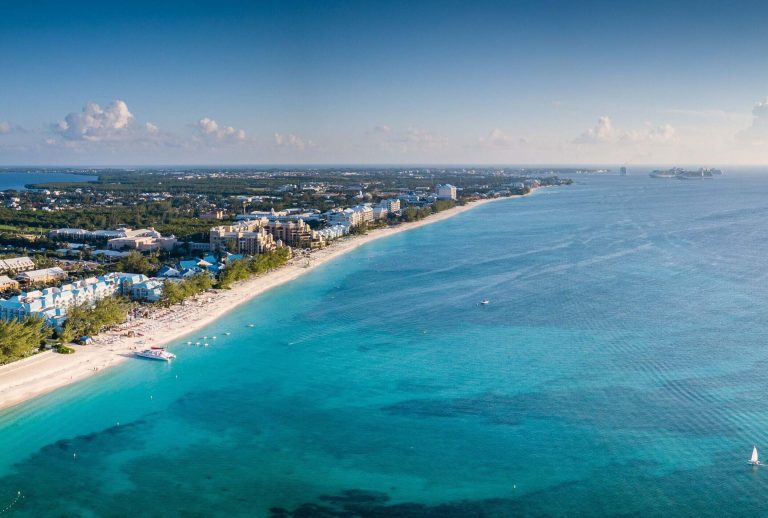
Seven Mile Beach dominates the conversation on Cayman real estate investment. It’s the postcard image, the noteworthy address, the location where international buyers instinctively look first.
But smart investors know that the best opportunities aren’t always found in the most obvious locations. South Sound and Grand Harbour offer something different: strong fundamentals, growing demand, and price points that leave room for appreciation. They’re not emerging markets in the speculative sense. They’re established, desirable neighbourhoods that aren’t extortionately priced.
If you’re evaluating Cayman investment property in 2026, these two areas deserve serious attention.
Why investors are looking beyond Seven Mile Beach
Seven Mile Beach remains a premium address in Cayman. Beachfront condominiums command the highest prices, attract the strongest rental demand, and hold value through market cycles. None of that is likely to change.
But the market has matured. Available inventory is limited, prices reflect decades of appreciation, and yields have compressed as capital values have risen. A beachfront condominium that generates 4% to 5% gross rental yield is still a solid investment, but it’s not the growth story it was 15 years ago.
Buyers are also more sophisticated. They understand that Cayman offers more than one desirable location, and they’re willing to trade beachfront access for better value, larger homes, or neighbourhoods that better suit their lifestyle.
South Sound and Grand Harbour benefit from this shift. Both areas offer proximity to George Town, strong infrastructure, and a mix of property types that appeal to families, professionals, and investors. They may not be comparable to Seven Mile Beach in the traditional sense. But they’re different products serving different needs, and in many cases, delivering better risk-adjusted returns.
South Sound: lifestyle appeal and residential demand
South Sound sits just east of George Town, stretching along the coast from the harbour area toward Spotts. It’s a residential neighbourhood with a mix of single-family homes, townhouses, and low-rise condominiums. The area feels more like a waterfront neighbourhood, which is exactly what many buyers want.
In South Sound you have beautiful white sand and ironshore. The ironshore coastline, with protected swimming areas, snorkelling access, and boat moorings, is ideal for water lovers. It’s a different kind of water access to Seven Mile Beach, but for many buyers, it’s more practical than beachfront.
South Sound appeals to families relocating to Cayman for work or lifestyle. The neighbourhood is quiet, safe, and close to schools, supermarkets, and medical facilities. Commute times to George Town are short, and the area feels residential without being isolated.
From an investment perspective, South Sound offers two advantages: affordability relative to Seven Mile Beach, and strong long-term rental demand from professionals and families on multi-year assignments. These aren’t short-term vacation rentals. They’re tenants who want a home, sign 12-month leases, and take care of the property.
Rental yields in South Sound typically range from 5% to 7% gross, depending on property type and condition. That’s higher than Seven Mile Beach, though capital appreciation has historically been slower. The trade-off makes sense for investors prioritising income over pure capital growth.
Property prices in South Sound vary widely. A two-bedroom condominium might start around CI$400,000, while a waterfront home can exceed CI$2 million. The range reflects the diversity of the area, and it gives buyers options at different price points.
School access, commute and family appeal
South Sound’s location makes it particularly attractive to families. Cayman Prep and High School, one of the island’s leading private schools, is a short walk away. St Ignatius Catholic School is also located on Walkers Road. Cayman International School is just a short drive away.
The commute to George Town takes 10 to 15 minutes in normal traffic, which matters for professionals working in financial services, legal, or professional services firms. That’s comparable to Seven Mile Beach and better than other waterfront communities in Bodden Town or East End in terms of traffic.
The neighbourhood also has a strong sense of community. Residents know each other, children play outside, and there’s a residential rhythm that’s harder to find in more transient areas. For families relocating to Cayman, that stability is valuable.
Waterfront versus inland trade-offs
Not all South Sound properties offer water access, and that distinction drives pricing. Waterfront homes with nearby docks or direct ocean access command a premium, often 30% to 50% more than comparable inland properties.
Inland properties in South Sound are typically more affordable and can still offer excellent value. You’re a five-minute drive from the water, you have the same access to schools and amenities, and you’re buying into the same neighbourhood. The trade-off is straightforward: less money, no sand or ironshore at your backdoor, but the same lifestyle and location benefits.
For investors, inland properties often deliver better yields because the purchase price is lower while rental demand remains strong. Families renting in South Sound care more about the neighbourhood, schools, and home quality than whether there are water views.
Grand Harbour: convenience, mixed-use appeal and buyer interest
Grand Harbour sits on the eastern edge of George Town. It’s a mixed-use neighbourhood with residential properties, commercial spaces, and convenient access to supermarkets, gyms, restaurants, and services.
The area has evolved significantly over the past decade. What was once a quieter, more industrial zone has become a desirable residential location, particularly for professionals who value convenience and walkability. You can live in Grand Harbour and walk to the supermarket, the gym, and several restaurants without getting in a car.
The residential stock in Grand Harbour includes modern condominiums, townhouses, and some single-family homes. Many of the condominium developments are newer, built within the last 10 years, and offer amenities like pools, fitness centres, and secure parking.
Grand Harbour appeals to a different buyer profile. It’s less family-focused and more oriented toward professionals, couples, and investors who want a low-maintenance property in a central location. The area has a more modern residential feel, with great conveniences and walkability.
From an investment perspective, Grand Harbour offers strong rental demand from young professionals, expatriates on short to medium-term assignments, and locals who want to live close to work but far enough away for privacy. Rental yields are comparable to South Sound, typically in the 5% to 7% range, and tenant turnover tends to be manageable.
Property prices in Grand Harbour are generally lower than South Sound for comparable units. A two-bedroom condominium might start around CI$350,000, with larger units and townhouses ranging up to CI$700,000 or more. The lower entry point makes Grand Harbour accessible to first-time investors or buyers looking to build a portfolio.
Condo, townhouse and standalone home considerations
Grand Harbour is primarily a condominium and townhouse market. Standalone single-family homes exist but are less common. It’s a reflection of the area’s density and mixed-use character.
Condominiums in Grand Harbour are well-suited to investors who want a hands-off property. Strata corporations handle exterior maintenance, landscaping, and common area upkeep. Tenants appreciate the amenities and security, and management is typically professional.
Townhouses offer a middle ground: more space than a condominium, less maintenance than a standalone home, and often a small private garden or patio. They appeal to small families or professionals who want a bit more room without the full responsibility of a house.
Standalone homes in Grand Harbour are rare and tend to be older properties on larger lots. They can offer value for buyers willing to renovate, but they’re not the typical Grand Harbour investment.
Comparing these areas with Seven Mile Beach
Seven Mile Beach, South Sound, and Grand Harbour serve different purposes, and the right choice depends on your investment goals.
Seven Mile Beach is a more premium play. You’re buying the most expensive address, the strongest rental demand for short-term vacation rentals, and the most liquid resale market. Capital appreciation has been strong historically, though yields are lower. Entry prices are high, typically starting around CI$800,000 for a one-bedroom condominium and rising to several million for larger units or beachfront homes.
South Sound offers a residential alternative with strong long-term rental demand. You’re buying into a neighbourhood, not a resort. Yields are higher, entry prices are lower, and the tenant base is stable. Capital appreciation has been steady but slower than Seven Mile Beach. It’s a buy-and-hold strategy for investors who want income and stability.
Grand Harbour is the convenience play. You’re buying central location, walkability, and access to amenities. Rental demand is strong from professionals and expatriates, yields are comparable to South Sound, and entry prices are the lowest of the three. Capital appreciation potential is solid, particularly as the area continues to develop and attract more residents.
If you’re chasing maximum capital growth and don’t mind lower yields, Seven Mile Beach is still the answer. If you want income, stability, and a residential tenant base, South Sound makes sense. If you want affordability, convenience, and a diversified tenant pool, Grand Harbour is worth serious consideration.
What type of investor each location suits
Different investors have different priorities, and each of these locations aligns with specific strategies.
Seven Mile Beach suits investors who:
- Prioritise capital preservation and blue-chip assets
- Want exposure to the short-term vacation rental market
- Have higher capital to deploy (CI$1 million or more)
- Are comfortable with lower yields in exchange for prestige and liquidity
- Plan to use the property personally while generating rental income
South Sound suits investors who:
- Prioritise rental income and cash flow
- Want long-term tenants on 12-month leases
- Prefer residential neighbourhoods over resort areas
- Are targeting families and professionals as tenants
- Want a lower entry price with room for appreciation
Grand Harbour suits investors who:
- Want the lowest entry price in a central location
- Are building a portfolio and need affordable, cash-flowing properties
- Prefer low-maintenance condominiums or townhouses
- Are targeting young professionals and expatriates as tenants
- Value convenience and walkability as selling points
There’s no wrong answer here. The best location depends on your capital, your risk tolerance, and what you’re trying to achieve.
Key factors driving appreciation and rental demand
Several factors support long-term value and rental demand in South Sound and Grand Harbour, and understanding them helps you evaluate specific properties.
Proximity to George Town is the foundation. Both areas are close to the island’s commercial centre, which drives demand from professionals working in financial services, legal, and related industries. As long as George Town remains an employment hub, these neighbourhoods will benefit.
Infrastructure and amenities matter. South Sound and Grand Harbour both have excellent road access, reliable utilities, and proximity to supermarkets, gyms, restaurants, and medical facilities. That’s not true everywhere in Cayman, and it’s a key reason these areas attract long-term residents.
School access is critical for family-focused areas like South Sound. Proximity to quality schools drives rental demand and supports property values. Families relocating to Cayman prioritise school access, and South Sound delivers.
Limited new supply in both areas supports pricing. There’s not a lot of vacant land left in South Sound or Grand Harbour, and new developments are limited. That constrains supply and supports values over time.
Rental demand from expatriates and professionals is structural, not cyclical. Cayman’s economy depends on international talent, and those professionals need housing. South Sound and Grand Harbour are natural choices for people who want to live close to work without paying Seven Mile Beach prices.
Lifestyle appeal is harder to quantify but equally important. South Sound offers a residential, family-friendly environment. Grand Harbour offers convenience and walkability. Both are genuine lifestyle benefits that attract tenants and support long-term demand.
How to evaluate the right micro-location in Cayman
Cayman is small, but micro-location still matters. Two properties in the same neighbourhood can perform very differently depending on specific location, condition, and management.
Start with access and commute. Properties on main roads like South Sound Road or Crewe Road offer convenience but can be noisier. Properties on quieter side streets offer more privacy but may be less accessible. Think about your target tenant and what they’ll prioritise.
Waterfront versus inland is the next decision. Waterfront properties command higher prices and rents, but they also come with higher insurance costs and maintenance. Inland properties offer better value and can still deliver strong yields if they’re well-located and well-maintained.
Strata quality is critical for condominiums and townhouses. Review the strata corporation’s financial statements, reserve fund, and maintenance history. A well-managed strata protects your investment. A poorly managed one can erode value quickly.
Rental restrictions vary by development. Some condominiums allow short-term rentals, others require minimum lease terms of six or 12 months. Know the rules before you buy, and make sure they align with your rental strategy.
Condition and presentation matter more than many investors realise. A well-maintained property with modern finishes will rent faster and command higher rents than a dated property in the same building. Budget for updates if needed, and factor that into your return calculations.
Exit strategy should be part of your evaluation from day one. Who’s the likely buyer when you sell? What’s the typical time on market for similar properties? Is the area appreciating, stable, or declining? These questions don’t have perfect answers, but thinking them through helps you avoid properties that are hard to sell later.
South Sound and Grand Harbour aren’t speculative bets. They’re established neighbourhoods with strong fundamentals, proven rental demand, and room for appreciation. They won’t deliver the same capital growth as Seven Mile Beach over the next decade, but they’ll likely deliver sustained income and more attractive entry prices.
For investors who understand that Cayman real estate investment isn’t just about beachfront trophy assets, these areas represent smart, strategic opportunities. The question isn’t whether they’re good investments. It’s whether they align with your specific goals, timeline, and risk tolerance.
Ready to explore South Sound and Grand Harbour investment opportunities? Request an area-specific investment shortlist tailored to your budget and strategy, or speak with James about current market conditions and available properties.